
INTEREST








MOST POPULAR TOURS
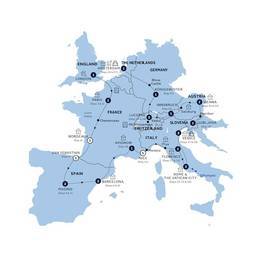
Code: SE915ZN219
Operator: Insight Tours


Code: AR-1148-IBR
Operator: Alexander And Roberts

WHY CHOOSE US?
Italy travel options
Escorted Italy Tours 2024 | 2025 Italy Tour Packages
Escape to La Dolce Vita
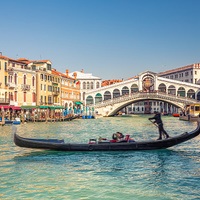
Have you dreamed of plunging into history-steeped sites, exploring sun-dappled rolling hills, and indulging in world-famous food and wine? There's no destination more quintessentially European than captivating Italy. From Rome's ancient ruins to Tuscany's olive groves to the sparkling Amalfi Coast, to a gongola ride in Venice on the Grand Canal, an unforgettable experience awaits.
At EscortedItalyTours.com, our passion is crafting exceptional Italian vacations. Visit Italy with our wonderful tour 2024-2025 pairing must-see sights with intimate local encounters, and fabulous tour guides. Whether it's your first time or a nostalgic return, we'll ensure an extraordinary trip embracing art, culture, nature, and exceptional meals.
Venture Across Enthralling Landscapes
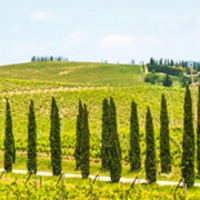
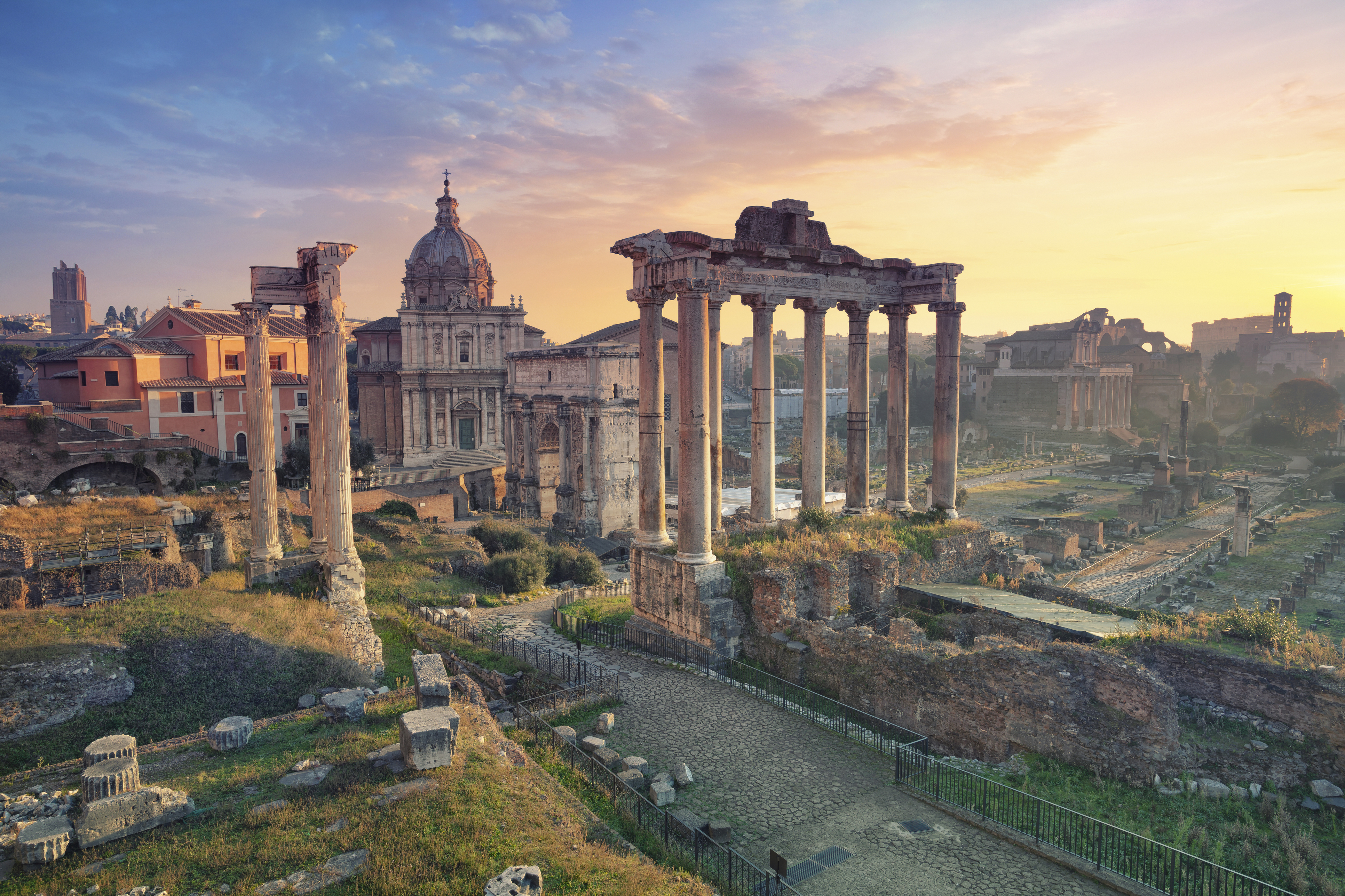
A journey across Italy is a feast for the senses. Explore beyond major cities into charming hill towns and fishing villages. Savor full-bodied wines at a family-run vineyard. Learn centuries-old recipes during a cooking class in Tuscany's farms. From the Roman Forum to Siena's galleries to Cinque Terre coastal trails, iconic sights intermix with quieter gems for a quintessential Italian adventure.
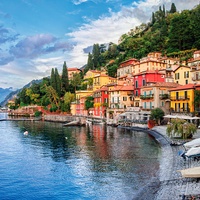
Venture off the well-worn tourist track into Northern Italy's captivating landscapes, from the Venetian Lagoon to Lake Como's glistening waters. Witness postcard-perfect vistas in the Italian Lakes region graced with lush forests and snow-capped Alpine peaks. Meander medieval towns from Verona to Padua, stepping back in time inside frescoed villas and stately palazzos. In Milan, channel Italian glamour while shopping at luxury boutiques and browsing contemporary art museums. Or escape into nature, walking alpine trails and cycling along mountain valleys, reveling in fresh air and stunning panoramas. Northern Italy enthralls with its diverse charms, from the cosmopolitan to the undiscovered. Our Northern Italy tours unlock this irresistible region in depth or combine it with the iconic South for a quintessential Italian adventure.
Visit Italy beyond Rome and Florence, venture further off the beaten path to discover Southern Italy diverse charms at a more relaxed pace. Traverse the rugged beauty of the Amalfi Coast and marvel at Positano's pastel-hued villages tumbling down to the sea. Soak up the charm in Sicily, from Palermo's vibrant street markets to Mount Eta's volcanic slopes. Or experience fewer crowds exploring Apulia's pristine beaches and Matera's ancient cave dwellings. We craft wonderful tours showcasing rich history and culture with less fatigue and longer stays in each spot. Savor Italian food with Southern hospitality at family-run trattorias highlights the best food Italy offers, from mozzarella cheese to fresh basil to olive oil. Whether it's your first or fifth visit to Italy, our Southern sojourns promise magical memories.
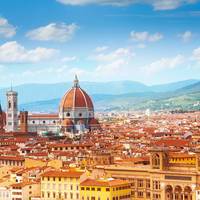
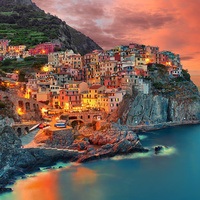
Beyond marquee attractions, we'll take you away from the peak season masses into quintessential Italian experiences. Roam Rome's atmospheric streets soaking up history before relaxing in Piazza Navona over Aperol and people-watching. Discover the Sistine Chapel and explore the Vatican Museums. Marvel at Renaissance masterpieces in Florence, then learn to cook (and devour) Tuscan cuisine at a local farmhouse. Cruise past candy-colored houses hugging Cinque Terre cliffs, then unwind countryside on a winery visit. From skip-the-line access to bucket-list sights to insider food and wine tastings, our tours maximize your wonderful time in Italy, immersing alongside locals and other passionate travelers.
EscortedItalyTours.com has earned a reputation for crafting Italy's top-rated tours. For family vacations, our kid-friendly adventures captivate all ages with interactive activities, from pizza-making sessions to treasure hunts through historic cities. We also personalize private, high-end journeys for those desiring exclusive experiences at Italy's finest locales, whether an elite wine tasting at a noble estate or an after-hours museum tour. Our bespoke journeys designed by specialists blend Italy's iconic sights with privileged access and ultimate flexibility. Alongside handpicked four- and five-star accommodation and top tier ground transportation is unparalleled local expertise - the hallmarks of Italy's finest high-end tour companies. From family bonding to milestone celebrations, rely on our dedication to outstanding service, guaranteeing your Italy trip surpasses your dreams.
Travel Stress-Free with Full-Service Tours
For the ultimate carefree experience, join one of our expert-led tour. Tour Group enjoying the perks of everything pre-arranged. Knowledgeable tour guides unlock cultural insights at every step while you relax into the natural flow of the journey. Find the right pace by choosing between our fast-paced classic tours or more relaxed excursions with built-in free time. With airport transfers, quality hotels, and most meals and transport arranged.
Tailor the Trip of Your Dreams
Or, if independent exploration excites you more, our travel specialists can customize your very own Italian dream vacation. Let us know your ideal adventure, interests, and travel style, and we'll suggest sights, activities, and pacing. Whether you yearn for an arts-inspired sojourn or a family-friendly active trip, we'll craft your perfect bespoke tour. Revel in la dolce far niente – the sweet art of idleness – knowing you have backup supporting your customized Italian escape.
Start Planning Your Italian Getaway!
Won't you join us to toast under Tuscan sunsets, cruise past cliffside towns, and make your own Gelato in a 16th-century farmhouse? Our Italy 2024 and 2025 tours are now open for booking. Space is limited, so dream big and prepare for a magical Italian holiday! Call today to start crafting your very own Dolce Vita dream escape.





Reviews

Fort Lauderdale, FL
Latest From Our Blog
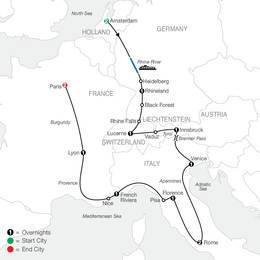
Globus Italy Tours